Operational costs quietly eat into a bank’s profitability in ways that don’t always show up in a single line item. Manual processes, redundant paperwork, delayed reconciliations, and inefficient staffing models all add up over time. For banks operating in a competitive, tightly regulated environment, finding ways to reduce these costs without compromising service quality has become a genuine priority.
This blog looks at how the right technology and workforce solutions are helping banks bring operational costs down, practically and sustainably.
Where Do Operational Costs Actually Come From?
Before looking at solutions, it helps to understand where the biggest cost drains typically sit within a bank’s operations:
- Manual data entry and repetitive back-office tasks
- Reconciliation errors that require rework and correction
- Underutilised or overstaffed teams during low-demand periods
- Legacy systems requiring ongoing maintenance and manual workarounds
- Compliance processes that rely heavily on manual documentation
- Customer service inefficiencies leading to higher resolution times
Each of these, on its own, might seem manageable. Together, across a large banking operation, they represent a substantial and recurring cost burden.
How Do BFSI Solutions Address This?
Rather than applying generic business software to banking-specific problems, the technology platforms and service models grouped under BFSI Solutions in India are shaped around the operational realities banks actually face, including regulatory requirements, transaction volumes, and multi-stakeholder coordination.
1. Automation Reduces Repetitive Manual Work
A large share of a bank’s operational cost comes from tasks that don’t require judgment, just accuracy and consistency. Automating processes like data validation, document verification, and routine reconciliation frees up staff time for higher-value work while reducing the error-driven rework that manual processes often create.
2. Centralised Systems Cut Down Redundancy
When different departments operate on disconnected systems, the same data often gets entered or verified multiple times. Centralised platforms eliminate this redundancy, allowing information to flow across departments without repeated manual handling.
3. Better Compliance Reduces Costly Penalties
Non-compliance isn’t just a regulatory risk, it’s a direct financial one. Automated compliance tracking and audit trails reduce the likelihood of penalties while also cutting down the staff hours spent on manual compliance checks.
4. Scalable Systems Avoid Overstaffing
Traditional operations often require adding staff to handle volume spikes, then carrying that cost even during quieter periods. Digital platforms that scale processing capacity up or down based on demand help banks avoid this cost inefficiency.
Is Automation Alone Enough to Cut Costs Significantly?
This is a fair question, since technology alone doesn’t solve everything. Automation certainly reduces the cost of repetitive tasks, but banks still need skilled people to manage, maintain, and improve these systems over time. This is where workforce strategy becomes just as important as the technology itself.
Rethinking Workforce Costs Through Flexible Staffing
Hiring full-time, permanent staff for every technical requirement isn’t always the most cost-efficient approach, particularly for specialised skills needed only during specific project phases or peak periods.
Staff Augmentation Services allow banks to bring in skilled technology professionals on a flexible, as-needed basis, whether for system implementation, ongoing support, or scaling up during high-demand periods like IPO seasons or regulatory deadline crunches. This model reduces the long-term overhead associated with expanding permanent headcount, while still giving banks access to the expertise they need, when they need it.
Where This Model Typically Helps Most
- Short-term technology implementation projects
- Peak-period operational support
- Specialised skill requirements that don’t justify full-time hires
- Testing and quality assurance during system upgrades
By treating workforce needs as flexible rather than fixed, banks can align staffing costs much more closely with actual demand.
A Closer Look: Cost Reduction in Specific Banking Functions
Mutual Fund Distribution
Banks offering mutual fund distribution services often deal with high transaction volumes, complex commission structures, and frequent reconciliation requirements. Mutual Fund Software for Banks automates much of this back-office complexity, reducing the manual effort and associated staffing costs that come with manually tracking transactions, commissions, and NAV updates across multiple fund houses.
IPO and Capital Markets Processing
During IPO periods, application volumes can spike dramatically within short windows. Automated processing systems help banks handle this surge without the need for significant temporary staffing increases, keeping costs controlled even during high-pressure periods.
Insurance Distribution
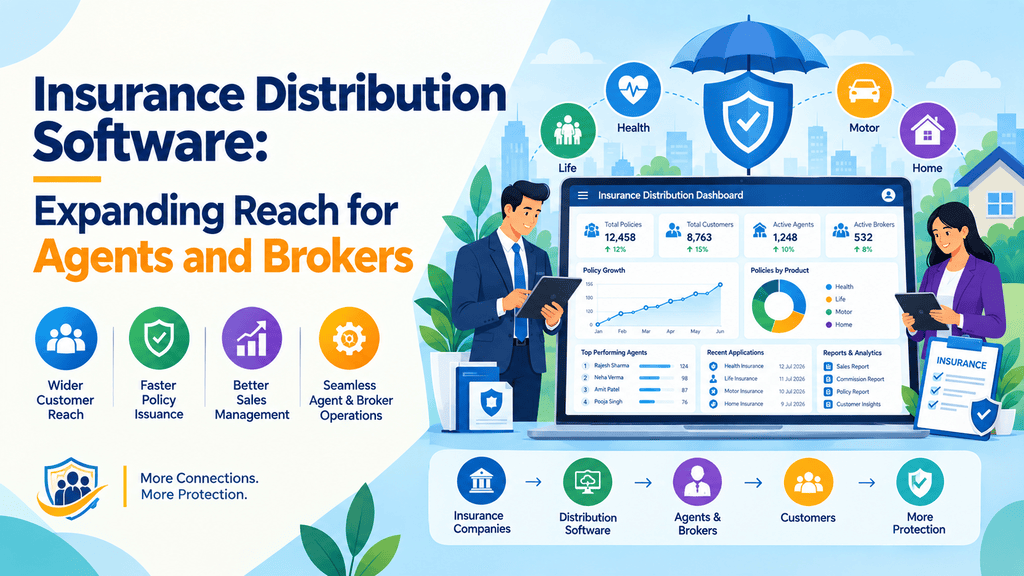
Banks distributing insurance products benefit from automated commission tracking and compliance management, reducing the administrative overhead typically associated with managing multiple insurance partnerships manually.
Regional Considerations: Why Local Context Matters
Cost-efficiency strategies aren’t always uniform across regions. Banks looking for BFSI Solutions Mumbai often deal with high transaction density and a concentration of institutional clients, requiring systems built to handle significant volume without performance bottlenecks. Meanwhile, banks seeking BFSI Solutions Pune may prioritise solutions that support growing retail banking networks and expanding semi-urban customer bases.
Understanding these regional operational patterns helps banks choose solutions genuinely suited to their specific branch networks and customer demographics, rather than adopting a one-size-fits-all approach.
Measuring the Actual Cost Impact
To understand whether these solutions are genuinely reducing costs, banks should track metrics such as:
- Reduction in manual processing hours per transaction type
- Decrease in reconciliation errors and associated rework
- Staffing cost trends relative to transaction volume growth
- Compliance-related penalty or remediation costs over time
- Turnaround time improvements across key operational processes
Tracking these consistently over time gives a much clearer picture of cost impact than looking at technology spend alone.
Common Pitfalls to Avoid
Even well-intentioned cost-reduction initiatives can fall short if certain factors are overlooked:
- Underestimating implementation time, which can delay expected savings
- Insufficient staff training, leading to underutilisation of new systems
- Choosing generic solutions not tailored to banking-specific requirements
- Ignoring integration needs with existing core banking systems
Avoiding these pitfalls generally comes down to careful planning and choosing solutions built specifically for the complexities of banking operations.
Conclusion
Reducing operational costs in banking isn’t about cutting corners, it’s about eliminating inefficiency wherever it exists, whether that’s in repetitive manual processes, rigid staffing models, or fragmented systems. By combining the right technology with flexible workforce strategies, banks can bring costs down meaningfully while maintaining, and often improving, the quality of service they deliver to customers.
FAQs
Q1. How do BFSI solutions specifically help reduce operational costs for banks?
They automate repetitive manual processes, centralise fragmented systems, improve compliance accuracy, and allow staffing to scale flexibly with actual demand, all of which reduce unnecessary operational spending.
Q2. Is staff augmentation more cost-effective than hiring full-time employees?
For specialised or short-term technology needs, it often is, since it avoids the long-term overhead of permanent hires while still providing access to skilled expertise when required.
Q3. Which banking functions typically see the most cost savings from automation?
Functions with high transaction volumes and complex reconciliation needs, such as mutual fund distribution, IPO processing, and insurance commission tracking, tend to see significant cost benefits from automation.
Q4. Do regional differences affect which BFSI solutions a bank should choose?
Yes, transaction volumes, customer demographics, and branch network patterns can vary significantly by region, making it important to choose solutions suited to local operational realities.
Q5. What’s the biggest mistake banks make when trying to reduce operational costs through technology?
Choosing generic, non-specialised solutions or underestimating the time and training needed for proper implementation are among the most common pitfalls that delay expected cost savings.