Categories
Blog

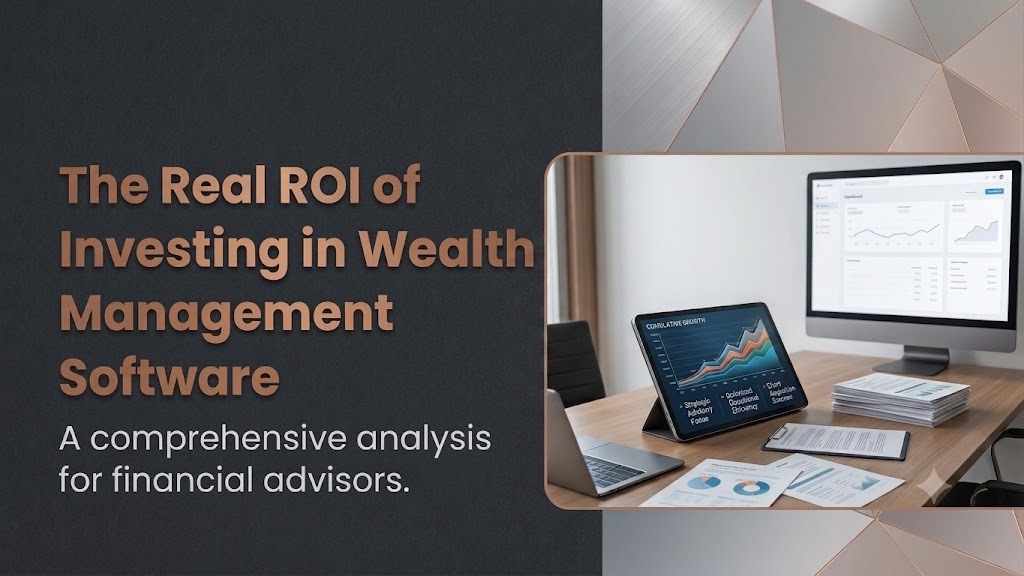
The Real ROI Of Investing In Wealth Management Software

When financial institutions think about technology investments, the first question that comes up is almost always the same: is it worth the cost? For wealth management firms, this question carries extra weight because the software isn’t just a back-office tool, it directly touches client relationships, portfolio performance, and regulatory standing.

Let’s move beyond the sales pitch and look honestly at where the real returns come from when firms invest in the right technology.

Why “ROI” Means More Than Cost Savings Here

Return on investment is often measured purely in rupees saved. But in wealth management, the returns show up in several different forms, some financial, some operational, and some reputational.

Before diving into numbers, it helps to ask: what are firms actually trying to achieve when they adopt new platforms?

  • Reducing time spent on manual, repetitive tasks
  • Improving accuracy in portfolio reporting and compliance
  • Delivering a better, more personalised client experience
  • Growing your business and managing more clients without having to hire more staff
  • Staying competitive as client expectations shift toward digital-first service

With that context, the ROI conversation becomes much broader than a simple cost-benefit spreadsheet.

1. Time Savings That Translate Directly Into Capacity

One of the most immediate returns comes from time. Relationship managers and advisors who previously spent hours compiling portfolio reports or reconciling data across spreadsheets can now access this information instantly through a centralised system.

Wealth Management Software consolidates client portfolios, transaction histories, and performance data into a single view, cutting down the manual effort that used to eat into client-facing time. When advisors spend less time on data entry and more time on advisory conversations, the firm’s overall capacity effectively increases without adding new staff.

How Much Time Are We Really Talking About?

While exact figures vary by firm size and existing processes, the pattern is consistent: tasks that once took hours, such as generating consolidated portfolio statements, can often be completed in minutes once automated. This time reclaims itself in the form of more client interactions, faster turnaround on queries, and reduced backlog during busy periods.

2. Fewer Errors, Lower Compliance Risk

Manual processes are inherently prone to human error, and in wealth management, even small errors in reporting or compliance documentation can lead to significant consequences.

Automated systems reduce this risk by:

  • Standardising data entry and calculations
  • Flagging inconsistencies before they become bigger issues
  • Maintaining audit-ready records automatically
  • Applying compliance rules consistently across client accounts

This reduction in error rates isn’t always visible on a balance sheet immediately, but the avoided costs of regulatory penalties, client disputes, or reputational damage represent a meaningful, if less obvious, form of ROI.

3. Better Client Experience, Better Retention

Client expectations have shifted considerably. Investors today expect real-time access to their portfolio performance, transparent reporting, and quick responses to their queries.

Firms that invest in the right platforms are better positioned to meet these expectations. Features like real-time dashboards, automated alerts, and self-service portals give clients more visibility and control, which in turn builds trust and long-term loyalty.

Retained clients are, of course, far more valuable than newly acquired ones when you factor in acquisition costs, making client retention one of the more underrated returns on this kind of investment.

4. Dedicated Automation for Mutual Funds and Specialized Investments

Different financial products come with their own unique operational rules. A one-size-fits-all wealth platform often falls short when managing the specific needs of mutual funds, PMS, or gold bonds.

This is where purpose-built software makes a real difference. Dedicated systems automate product-specific tasks such as daily NAV updates, SIP tracking, order routing, redemption processing, and brokerage reconciliation. By using Mutual Fund Software built specifically for these workflows, firms avoid risky manual workarounds and keep their operations running smoothly without errors.

Is Building In-House Always the Right Approach?

A common question firms face is whether to build these systems internally or rely on external expertise. Building and maintaining wealth management technology in-house requires specialised skills that many firms don’t have readily available, and hiring full-time for every requirement isn’t always practical.

This is where Software Staff Augmentation becomes a valuable option. It allows firms to bring in skilled technology professionals on a flexible basis, whether for initial development, ongoing maintenance, or scaling up during periods of high demand, without the long-term overhead of expanding permanent headcount.

5. Scalability Without Proportional Cost Increases

As firms grow their client base, manual processes typically require proportional increases in staff to keep up. Technology changes this equation.

A well-implemented system can handle significantly more clients, transactions, and reporting requirements without a corresponding jump in operational costs. This scalability is often where the long-term ROI becomes most apparent, particularly for firms experiencing steady growth.

Measuring ROI: What Should Firms Actually Track?

To get a realistic picture of returns, firms should look at metrics such as:

  • Time saved per advisor on reporting and administrative tasks
  • Reduction in compliance-related errors or flagged issues
  • Client retention and satisfaction scores over time
  • Faster growth in client investments (AUM) compared to team size
  • Speed of onboarding new clients or products

Tracking these metrics over a defined period gives a clearer, more grounded picture of value than looking at cost savings alone.

Setting Realistic Expectations

It’s worth noting that ROI from these investments doesn’t materialise overnight. Implementation, staff training, and process adjustments all take time. Firms that see the most meaningful returns are typically those that approach the transition with a clear plan, realistic timelines, and ongoing evaluation rather than expecting immediate transformation.

Conclusion

The real ROI of investing in Wealth Management Software isn’t captured in a single number. It shows up gradually, through time saved, errors avoided, clients retained, and operations scaled more efficiently. Firms that look beyond upfront costs and evaluate these broader, longer-term returns are better positioned to make technology decisions that genuinely strengthen their business over time.

FAQs

Q1. How long does it typically take to see ROI from wealth management software?

This varies by firm, but most organisations begin seeing operational benefits, such as time savings, within the first few months, while broader financial returns often become clearer over a year or more.

Q2. Does wealth management software only benefit large firms?

No, firms of various sizes can benefit, particularly smaller firms looking to scale operations without significantly increasing headcount.

Q3. What’s the difference between wealth management software and mutual fund software?

Wealth management software typically covers broader portfolio and client management functions, while mutual fund software focuses specifically on fund tracking, NAV updates, and related processes.

Q4. Why would a firm consider staff augmentation instead of hiring full-time?

It offers flexibility to access specialised skills for specific projects or periods of growth without the long-term commitment of permanent hires.

Q5. What metrics best reflect the ROI of this kind of technology investment?

Time saved on manual tasks, reduction in compliance errors, client retention rates, and scalability of operations relative to headcount are all useful indicators.
Categories
Blog

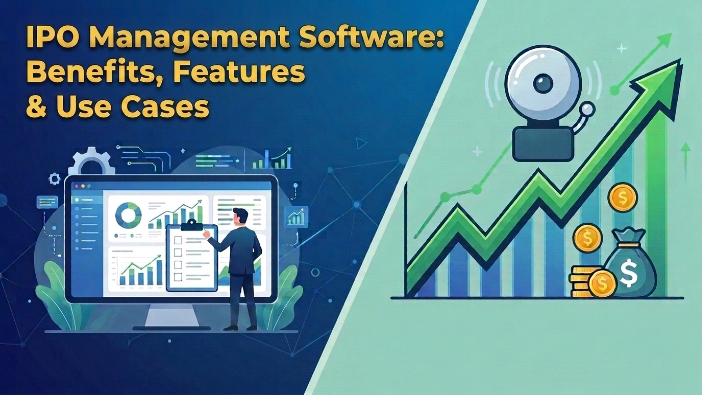
IPO Management Software: Benefits, Features & Use Cases

Taking a company public is one of the most significant milestones in its journey, but it is also one of the most complex from an operational standpoint. Between capturing thousands of investor applications, blocking funds accurately, coordinating with exchanges, and meeting tight regulatory timelines, banks handling primary market issues have a lot to manage within very short windows. This is exactly where dedicated technology steps in to simplify what was once a highly manual and error-prone process. In this blog, we explore what IPO management software actually does, its key features, and how it helps banks and brokers handle primary market applications more efficiently.

What Is IPO Management Software?

IPO Management Software is a specialised digital platform built to digitise and automate primary market application processing. It covers products such as IPOs, FPOs, NFOs, Rights Issues, and Debt/NCD instruments. Rather than relying on scattered paperwork, manual verification, and branch-by-branch coordination, banks acting as Self Certified Syndicate Banks (SCSBs) can manage the entire application lifecycle — from registration to allotment monitoring — through a single, centralised system.

Why Does Primary Market Processing Require Specialised Software?

Handling primary market applications isn’t just about collecting forms. It’s a regulated, time-bound process where accuracy and speed both matter enormously. So, what makes this particularly challenging without the right tools?

  • Processing large volumes of applications within short subscription windows
  • Supporting multiple application modes, including ASBA, Syndicate ASBA, and Physical/Non-ASBA applications
  • Managing category-wise cut-off timings for retail and HNI applicants across branches and central office
  • Accurately blocking and releasing funds through lien marking and removal
  • Verifying investor details such as PAN before applications are submitted
  • Maintaining compliance with SEBI, NSE, and BSE reporting requirements

Given this complexity, banks and brokers increasingly rely on purpose-built platforms rather than manual, branch-level coordination.

Key Features of IPO Management Software

1. Multi-Mode, Multi-Channel Application Processing: The software supports ASBA, Syndicate ASBA, and Physical/Non-ASBA applications, giving banks flexibility in how they onboard investor applications. Investors, in turn, can apply through internet banking, handheld devices, or channel partners such as brokers.

2. Core Banking Integration for Fund Blocking: Integration with core banking systems such as Finacle and FlexCube, allows the software to manage lien marking, lien removal, and fund transfer directly, ensuring application amounts are blocked and released accurately without manual reconciliation between systems.

3. Bulk Application Handling: Banks dealing with high application volumes benefit from bulk upload support for application forms, along with API and file-based interfaces with NSE and BSE for streamlined processing.

4. Investor Verification and Third-Party Integration: Online PAN verification through NSDL, combined with application registration APIs for third-party brokers, helps validate investor details early and reduces the risk of application rejections.

5. Category-Wise Cut-Off Management: Retail and HNI applications often follow different cut-off timelines. The software supports this distinction across branches and the central office, helping banks stay aligned with exchange requirements.

6. Application Registration to Allotment Monitoring: A single-click dashboard allows banks to monitor the full journey of an application, from registration through to the allotment process, giving branch and central teams clear visibility without needing to chase updates manually.

7. Automated Income and Commission Calculation: For banks and brokers earning commissions on primary market distribution, automated income and commission calculation simplifies billing and invoice generation considerably, reducing manual computation errors.

8. Maker/Checker Controls and Audit Support: Given the regulatory sensitivity of primary market processing, maker/checker workflows across masters and transactions support the audit and security requirements banks are expected to meet.

9. Reconciliation :Across both applications and funds ensures that any mismatches are identified and corrected early, rather than surfacing as problems later in the process.

Is Fund Blocking Handled Automatically?

A common question banks ask when evaluating this kind of software is whether fund blocking genuinely happens without manual branch intervention. Because the software integrates directly with core banking platforms for lien marking and removal, fund blocking and release can happen automatically as part of the application workflow, rather than requiring branch staff to manually place or lift holds on investor accounts. This significantly reduces both processing time and the risk of blocking errors during high-volume subscription periods.

Business Reporting and Compliance

Beyond day-to-day processing, the software typically supports a structured suite of reports, including:

  • MIS Reports for operational visibility
  • Audit Reports for internal and external review
  • Posting Reports for transaction-level tracking
  • Product-wise Reports across IPO, FPO, NFO, and other instruments
  • Compliance reports aligned with SEBI, NSE, and BSE requirements

This reporting layer is particularly important for banks that need to demonstrate regulatory compliance across multiple primary market products simultaneously.

Benefits of Using IPO Management Software

Adopting a dedicated platform for primary market processing offers several tangible advantages:

  • Automated fund blocking and bulk application handling can help reduce manual processing time during high-volume subscription windows.
  • Built-in reconciliation and maker/checker controls support fewer manual errors in application and fund data.
  • A single-click dashboard gives banks a way to track applications through to the allotment stage in one place.
  • Simplified billing through automated commission and income calculation.
  • Stronger compliance posture with SEBI, NSE, and BSE-aligned reporting.
  • Granular access control, supporting internal audit and security requirements.

Common Use Cases

For Banks Acting as Self-Certified Syndicate Banks Banks use this software to manage the full application lifecycle across branches, from bulk application uploads to fund blocking and compliance reporting. For Brokers and Channel Partners, Brokers submit applications digitally through APIs, supporting bid, rebid, and withdrawal actions while staying integrated with the bank’s back-office processing. For Multiple Primary Market Instruments, the same platform typically supports IPOs, FPOs, NFOs, Rights Issues, and Debt/NCD instruments, allowing institutions to consolidate primary market operations under one system.

Built on an Open, API-Driven Architecture

Primary market processing platforms are increasingly built on open, API-based architecture, which allows them to integrate more easily with brokers, securities systems, and a bank’s existing back-office processes — including core banking systems and communication (SMS/email) gateways already in use. This kind of connected setup helps banks move away from fragmented, branch-level manual workflows toward the kind of connected, API-driven systems that are central to broader Digital Transformation Services across banking. This platform also typically operates alongside other Financial Software Solutions within a bank’s technology stack, from core banking systems to communication gateways, rather than as an isolated tool.

Choosing the Right Platform

When evaluating options, banks should consider:

  • Breadth of supported instruments (IPO, FPO, NFO, Rights, Debt/NCD, and beyond)
  • Depth of core banking integration for fund blocking
  • Support for multiple application modes and channels
  • Strength of compliance and reporting capabilities
  • Whether the architecture (on-premise or otherwise) fits internal IT policies

Conclusion

Handling an IPO might look simple to an applicant, but for banks and brokers, it is one of the most high-pressure jobs in finance. When thousands of applications pour in right before the deadline, manual checking and outdated systems can easily lead to delays or fund-blocking errors. IPO management software removes that stress completely. By connecting directly with your core banking system, it automates fund blocking, verifies investor details in real time, and generates regulatory reports automatically. For banks looking to process high-volume issues smoothly and stay fully SEBI-compliant, using a dedicated platform is the smartest way to keep operations fast, secure, and error-free.

FAQs

1. What products does IPO management software typically support?

Beyond IPOs, IPO management software also support FPOs, NFOs, Rights Issues, and Debt/NCD instruments.

2. Does the software handle fund blocking automatically?

Yes, through integration with core banking systems, it manages lien marking and removal directly, reducing the need for manual intervention at the branch level.

3. Who typically uses this kind of software?

Banks acting as Self Certified Syndicate Banks, along with brokers and channel partners, use it to process applications across ASBA, Syndicate ASBA, and Physical/Non-ASBA modes.

4. Can this software calculate commissions and income automatically?

Yes, automated income and commission calculation is typically included, simplifying billing and invoice generation for banks and brokers earning distribution commissions.

Categories
Blog

The Future of Digital Banking in India: Trends & Opportunities

India’s digital banking landscape has evolved far beyond online fund transfers and mobile banking apps. Today, customers expect personalized experiences, instant services, seamless onboarding, and secure transactions—all available anytime and anywhere.

Driven by rapid smartphone adoption, government-backed digital initiatives, UPI innovation, and changing customer expectations, the banking industry is entering a new phase of transformation. Banks are no longer competing only on products; they’re competing on digital experiences.

For financial institutions, this shift presents enormous opportunities to modernize operations, improve customer engagement, and create entirely new revenue streams. Organizations investing in Digital Financial Services and Solutions are positioning themselves to meet the demands of India’s next generation of banking customers.

Why India’s Digital Banking Market Is Growing Faster Than Ever

Several factors are accelerating digital banking adoption across the country:

  • Growing smartphone and internet penetration
  • Rising adoption of digital payments
  • Government initiatives promoting financial inclusion
  • Expansion of fintech partnerships
  • Increasing customer preference for self-service banking
  • AI-powered customer engagement

Consumers now expect banking to be as convenient as ordering food or booking a cab. This shift is pushing financial institutions to redesign customer journeys with digital-first strategies.

Rather than replacing traditional banking, digital banking is becoming an extension that delivers speed, convenience, and accessibility.

Did You Know?

India recorded over 18.68 billion UPI transactions in May 2026, with transaction values exceeding ₹25 lakh crore in a single month—highlighting the country’s rapid shift toward digital-first banking and payments.

This unprecedented transaction volume reflects how digital infrastructure is transforming customer expectations and accelerating innovation across the banking ecosystem.

Emerging Trends Shaping the Future of Digital Banking

1. Hyper-Personalized Banking Experiences

Modern customers expect banks to understand their financial needs rather than simply offering generic products.

Using AI, analytics, and customer insights, banks can now recommend:

  • Personalized savings plans
  • Investment opportunities
  • Insurance products
  • Credit offers
  • Financial wellness advice

Personalization improves engagement while increasing cross-selling opportunities across multiple banking services.

2. Embedded Finance Is Becoming Mainstream

Banking services are increasingly being integrated into everyday digital platforms.

Customers can now:

  • Apply for loans while shopping online
  • Purchase insurance during travel bookings
  • Invest directly through fintech applications
  • Access banking services without visiting bank portals

This seamless integration is creating entirely new customer acquisition channels for financial institutions.

3. Seamless Digital Onboarding Is Redefining Customer Experience

Today’s customers expect to open accounts, enroll in financial products, and access banking services with minimal effort. Long forms, multiple branch visits, and manual verification processes are quickly becoming a thing of the past.

Digital onboarding enables financial institutions to:

  • Simplify customer registration
  • Reduce paperwork through digital documentation
  • Speed up verification and approvals
  • Deliver a smoother customer experience
  • Improve operational efficiency while maintaining compliance

An efficient digital onboarding experience helps financial institutions onboard customers faster while enhancing convenience and reducing manual effort.

4. Wealth Management Is Becoming Digital for Everyone

Digital investing is no longer limited to high-net-worth individuals.

Today’s investors expect:

  • Goal-based investment planning
  • Portfolio tracking
  • Digital onboarding
  • Automated reporting
  • Real-time investment insights

Advanced Wealth Management platforms help financial institutions deliver these services efficiently while improving customer engagement and operational visibility.

5. Digital Insurance Integration Is Expanding

Banks are increasingly offering insurance as part of their broader financial ecosystem.

Integrated Insurance Management platforms help streamline:

  • Policy issuance
  • Renewal management
  • Commission reconciliation
  • Customer servicing
  • Regulatory compliance

This creates a unified customer experience while simplifying backend operations for institutions.

6. Open Banking Is Encouraging Collaboration

Banks are increasingly partnering with fintech companies to deliver innovative financial services.

Open APIs enable secure data sharing that supports:

  • Faster account aggregation
  • Personalized financial products
  • Digital lending
  • Payment innovations
  • Improved customer experiences

This collaborative ecosystem allows banks to innovate faster while expanding their digital capabilities.

7. Security Is Becoming a Competitive Advantage

As digital transactions grow, cybersecurity continues to be a top priority.

Financial institutions are investing in:

  • Multi-factor authentication
  • AI-driven fraud detection
  • Behavioral analytics
  • Real-time transaction monitoring
  • Advanced encryption technologies

Customers are more likely to trust banks that demonstrate strong digital security and transparent data protection practices.

8. Capital Market Services Are Going Fully Digital

Retail participation in IPOs and investment products continues to grow.

Digital Capital Market Solutions enable financial institutions to simplify:

  • IPO application processing
  • Digital ASBA workflows
  • Customer onboarding
  • Transaction management
  • Regulatory compliance

Automation reduces operational complexity while delivering a smoother investor experience.

9. Banking Beyond Branches

Physical branches remain important, but customers increasingly prefer digital channels for routine banking.

Banks are expanding through:

  • Mobile banking
  • Video KYC
  • AI chat support
  • Digital document submission
  • Self-service portals

This hybrid approach combines digital convenience with human expertise when needed.

10. Sustainable and Inclusive Banking

Digital banking is also supporting financial inclusion by reaching underserved populations across India.

Technology is helping financial institutions:

  • Expand rural banking services
  • Improve accessibility
  • Reduce operational costs
  • Digitize government scheme distribution
  • Deliver banking services remotely

As digital infrastructure improves, more citizens gain access to formal financial services without geographical limitations.

Opportunities for Financial Institutions

The future of digital banking extends beyond technology adoption. Success will depend on how effectively financial institutions transform their business models.

Key opportunities include:

  • Improving customer retention through personalized services
  • Launching new digital products faster
  • Increasing operational efficiency with automation
  • Strengthening regulatory compliance
  • Building scalable digital ecosystems
  • Creating seamless omnichannel customer experiences
  • Leveraging data for better business decisions

Institutions embracing Digital Transformation are better positioned to respond to changing customer expectations while remaining competitive in an increasingly digital economy.

Building the Future with the Right Technology Partner

Modern banking requires more than isolated software implementations. Financial institutions need integrated platforms that connect lending, investments, insurance, payments, and capital market services into a unified digital ecosystem.

Scalable Digital Financial Services and Solutions help organizations modernize operations while delivering secure, customer-centric experiences across every touchpoint. Whether it’s enhancing Banking & Capital Market Solutions, strengthening Insurance Management, enabling Wealth Management, or supporting government pension initiatives through Pension Yojana solution, the right technology foundation enables long-term innovation and sustainable growth.

Conclusion

Digital banking in India is entering an exciting new era defined by intelligence, personalization, collaboration, and seamless customer experiences. As technology continues to reshape financial services, institutions that invest in integrated digital capabilities will be better equipped to meet evolving customer expectations and navigate future market demands.

The journey ahead is not just about adopting new technologies—it’s about creating connected, agile, and customer-focused banking ecosystems that drive long-term value. By embracing innovation today, financial institutions can unlock new growth opportunities and help shape the future of banking in India.

Categories
Blog

Top Banking Technology Trends to Watch in 2026

Introduction

The banking industry is evolving at an unprecedented pace. As customer expectations continue to rise, financial institutions are embracing innovative technologies to deliver faster services, stronger security, and seamless digital experiences. At the same time, banks must navigate changing regulations, increasing cybersecurity threats, and growing competition from fintech companies.

In 2026, technology will play an even bigger role in helping banks become more agile, efficient, and customer-centric. From artificial intelligence and cloud adoption to real-time payments and digital transformation, these innovations are reshaping the future of banking.

Let’s explore the top banking technology trends that are expected to define the industry in 2026.

1. Artificial Intelligence is Transforming Banking Operations

Artificial Intelligence (AI) is transforming how banks operate by automating routine processes, enhancing decision-making, and delivering faster, more personalized customer experiences. As AI capabilities continue to evolve, financial institutions are leveraging them to improve efficiency while staying competitive in a rapidly changing digital landscape.

Banks are using AI to:

  • – Detect fraudulent transactions in real time
  • – Automate loan processing and credit risk assessments
  • – Deliver personalized financial recommendations
  • – Enhance customer support with intelligent virtual assistants
  • – Strengthen regulatory compliance and risk management

By integrating AI into everyday operations, banks can reduce manual effort, improve operational efficiency, and accelerate innovation across the Banking & Capital Market ecosystem.

2. Real-Time Payments Become the New Standard

Customers now expect money transfers to happen instantly, regardless of the time or day. To meet these expectations, banks are modernizing their payment infrastructure with real-time payment capabilities.

Benefits include:

  • Instant fund transfers
  • Faster cross-border transactions
  • 24/7 payment processing
  • Improved payment transparency
  • Better customer satisfaction

Modern payment systems also support the broader shift toward Digital Banking, enabling faster, more reliable financial services.

3. Hyper-Personalized Banking Experiences

Today’s customers expect banks to understand their financial goals and provide personalized recommendations.

Using AI and advanced analytics, banks can offer:

  • Personalized savings advice
  • Investment recommendations
  • Spending insights
  • Customized financial products
  • Proactive financial alerts

These personalized experiences strengthen customer relationships and align well with modern Wealth Management strategies.

Did You Know?

According to the 2026 KPMG Banking Technology Survey, 80% of banking executives believe Artificial Intelligence will significantly reshape banking business models within the next three to five years, while 92% are increasing cybersecurity investments to address evolving digital threats.

4. Cloud Adoption Continues to Accelerate

Banks are increasingly moving away from traditional IT infrastructure and embracing cloud technologies to improve flexibility, scalability, and business continuity.

Cloud adoption enables banks to:

  • Launch new services faster
  • Reduce operational costs
  • Improve disaster recovery
  • Scale resources on demand
  • Support continuous innovation

Combined with Cloud Services and Digital Transformation, cloud technology provides the foundation for future-ready banking operations.

5. Open Banking is Driving Innovation

Open Banking enables financial institutions to securely share customer-approved financial data through APIs, encouraging collaboration between banks and fintech providers.

Key advantages include:

  • Faster innovation
  • Improved customer experiences
  • Easier integration with third-party services
  • New digital products
  • Greater operational efficiency

As more institutions adopt Open Banking, seamless Enterprise Integration becomes essential for delivering connected financial services.

6. Compliance Through Intelligent Automation

Regulatory compliance remains one of the biggest challenges for financial institutions. Manual compliance processes are time-consuming and prone to errors.

Banks are increasingly automating processes such as:

  • Know Your Customer (KYC)
  • Anti-Money Laundering (AML)
  • Regulatory reporting
  • Document verification
  • Risk monitoring

Automation improves accuracy while allowing banks to focus on delivering better Banking & Capital Market services.

7. Digital Identity and Biometric Authentication

Traditional passwords are gradually being replaced by more secure authentication methods.

Banks are adopting technologies such as:

  • Fingerprint authentication
  • Facial recognition
  • Voice authentication
  • Behavioral biometrics

These solutions improve security while providing customers with a faster and more convenient Digital Banking experience.

8. Legacy System Modernization Remains Essential

Many financial institutions still depend on outdated legacy systems that limit innovation and slow business growth.

Modernization initiatives focus on:

  • Replacing outdated applications
  • Integrating modern technologies
  • Improving scalability
  • Enhancing customer experiences
  • Supporting future innovation

Through Digital Transformation, banks can modernize legacy infrastructure while becoming more agile, secure, and competitive.

How Winsoft Technologies Supports Banking Innovation

As banking continues to evolve, choosing the right technology partner is essential for long-term success.

Winsoft Technologies empowers financial institutions with comprehensive Banking & Capital Market solutions that simplify operations, improve compliance, and enhance customer experiences. Its portfolio includes innovative products such as SmartASBA, SmartWealth, SmartRecon, SmartAPY,and SmartLocker, along with expertise in Digital Transformation, Enterprise Integration, Cloud Services, and Staff Augmentation.

These solutions help banks modernize their technology landscape, improve operational efficiency, and deliver secure, scalable, and future-ready financial services.

Conclusion

The future of banking belongs to institutions that embrace innovation while keeping customers at the center of every decision. Technologies such as Artificial Intelligence, cloud computing, real-time payments, intelligent automation, and advanced cybersecurity are no longer optional—they have become essential for sustainable growth.

By investing in the right technologies and partnering with experienced digital transformation providers, banks can improve operational efficiency, strengthen customer trust, and remain competitive in an increasingly digital world. As the financial landscape continues to evolve, organizations that adapt early will be best positioned to lead the next generation of banking.

Categories
Blog

Why Financial Institutions Are Accelerating Legacy System Modernization

Introduction

The financial services industry is experiencing an unprecedented wave of digital transformation. Customers today expect instant account access, personalized financial services, seamless mobile banking, and real-time transactions across multiple channels. At the same time, financial institutions must comply with evolving regulations, combat increasingly sophisticated cyber threats, and deliver innovative digital experiences faster than ever before.

Despite these growing expectations, many banks, insurance providers, wealth management firms, and fintech organizations still rely on legacy systems that were built decades ago. While these systems continue to support mission-critical operations, they often limit innovation, increase operational costs, and make it difficult to integrate with modern technologies.

This is why Legacy System Modernization has become a strategic business priority rather than simply an IT initiative. Through Digital Transformation, Banking Software Solutions, and Product Re-engineering, financial institutions are modernizing their technology landscape to improve agility, strengthen security, enhance customer experiences, and remain competitive in an increasingly digital economy.

What Are Legacy Systems?

Legacy systems refer to outdated software applications, databases, and IT infrastructure that continue to support essential business operations. Many of these platforms were designed before cloud computing, artificial intelligence, APIs, and digital banking became industry standards.

Although they have been reliable for years, legacy systems often lack the flexibility, scalability, and integration capabilities required to support today’s fast-changing financial ecosystem.

Some of the most common challenges include:

  • High maintenance and infrastructure costs
  • Slow processing and limited scalability
  • Difficulty integrating with modern applications
  • Increased cybersecurity vulnerabilities
  • Complex regulatory compliance
  • Poor customer experience
  • Delayed product innovation

For organizations focused on Banking Digital Transformation, modernizing these systems is no longer optional—it’s essential for sustainable growth.

Why Financial Institutions Are Modernizing Their Legacy Systems

1. Meeting Rising Customer Expectations

Digital-first customers expect banking services that are fast, secure, and available anytime. Whether opening an account online, investing through mobile applications, or receiving personalized financial recommendations, users demand frictionless experiences.

Modern Financial Technology Solutions enable institutions to deliver:

  • Faster digital onboarding
  • Omnichannel banking experiences
  • Real-time payment processing
  • Personalized customer journeys
  • Improved accessibility across devices

Modern platforms significantly improve customer satisfaction while helping financial institutions remain competitive.

2. Strengthening Security and Regulatory Compliance

Cybersecurity has become one of the biggest concerns in financial services. Legacy applications often lack modern security architecture, making them vulnerable to cyberattacks, ransomware, and data breaches.

Modern Enterprise Software Solutions incorporate:

  • Advanced encryption
  • Multi-factor authentication
  • Continuous monitoring
  • Automated compliance reporting
  • Zero Trust security models

These capabilities help organizations strengthen Cybersecurity, reduce operational risk, and comply with constantly evolving financial regulations.

Did You Know?

According to Deloitte, nearly 70% of financial institutions identify legacy technology as one of the biggest obstacles to digital transformation and innovation, making modernization a strategic investment rather than simply an infrastructure upgrade.

3. Improving Operational Efficiency

Many legacy environments rely heavily on manual workflows, duplicate data entry, and disconnected systems. These inefficiencies increase operating costs while slowing business operations.

Modern Digital Transformation initiatives automate repetitive processes, improve collaboration between departments, and streamline enterprise workflows.

Benefits include:

  • Faster transaction processing
  • Reduced manual intervention
  • Lower operational costs
  • Improved employee productivity
  • Better resource utilization

As a result, organizations can focus more on innovation and customer value rather than maintaining outdated technology.

4. Supporting Cloud and AI Adoption

Emerging technologies such as Cloud Migration, Artificial Intelligence (AI), Machine Learning (ML), Robotic Process Automation (RPA), and advanced analytics require flexible technology infrastructure.

Legacy systems often prevent organizations from fully leveraging these innovations.

Modernized platforms make it easier to:

  • Integrate cloud-native applications
  • Deploy AI-powered customer support
  • Enable predictive analytics
  • Automate financial operations
  • Improve fraud detection

This creates a future-ready digital ecosystem capable of adapting to rapidly changing business requirements.

5. Reducing Long-Term Technology Costs

Although Software Modernization requires an initial investment, it delivers significant long-term savings.

Financial institutions can reduce costs by:

  • Eliminating expensive legacy maintenance
  • Reducing infrastructure overhead
  • Minimizing system downtime
  • Lowering software licensing expenses
  • Improving operational efficiency

Modern cloud-based infrastructure also provides better scalability without requiring substantial capital investments.

6. Accelerating Innovation

Legacy systems often slow the launch of new financial products because every enhancement requires extensive customization.

  • Launch products faster
  • Integrate with fintech ecosystems
  • Deploy API-driven services
  • Improve customer engagement
  • Respond quickly to market changes

This agility allows financial institutions to innovate continuously while maintaining operational stability.

Key Benefits of Legacy System Modernization

Modernizing legacy infrastructure delivers measurable business value across the organization.

Some of the biggest advantages include:

  • Enhanced customer experience
  • Improved operational efficiency
  • Stronger cybersecurity
  • Better regulatory compliance
  • Greater scalability and flexibility
  • Faster product innovation
  • Improved data accessibility
  • Lower maintenance costs
  • Easier cloud integration
  • Increased business agility

These benefits position financial institutions to compete more effectively in today’s rapidly evolving digital economy.

Best Practices for Successful Legacy Modernization

Successful modernization involves much more than replacing outdated technology. Organizations need a well-defined strategy aligned with long-term business goals.

Some best practices include:

Assess Existing Infrastructure

Evaluate current applications, identify technical debt, and determine which systems require modernization first.

Prioritize Business Objectives

Technology decisions should support measurable business outcomes such as customer experience, operational efficiency, and compliance.

Adopt a Phased Modernization Approach

Rather than replacing everything at once, organizations should modernize gradually to minimize operational disruption and reduce project risk.

Ensure Data Security Throughout Migration

Protect sensitive customer information by implementing robust governance, encryption, backup strategies, and compliance controls during migration.

Partner with Experienced Technology Providers

Working with experts in Digital Transformation, Product Re-engineering, and Financial Services Technology helps reduce implementation risks while accelerating project success. Organizations specializing in Digital Transformation and software modernization help banks and financial institutions modernize legacy systems with secure, scalable, and future-ready solutions.

Conclusion

Modernizing legacy systems is no longer just about replacing outdated technology—it is about building a resilient foundation for future growth. As financial institutions continue to embrace digital banking, cloud technologies, AI, and automation, the ability to operate on agile, secure, and scalable platforms becomes a key competitive advantage.

Organizations that invest in Legacy System Modernization, Digital Transformation, and intelligent Banking Software Solutions are better equipped to respond to evolving customer expectations, regulatory changes, and emerging market opportunities. By adopting modern technologies today, financial institutions can create more efficient operations, accelerate innovation, strengthen security, and confidently navigate the future of financial services.

Categories
Blog

Staff Augmentation vs Traditional Hiring: Which Workforce Model Wins in 2026?

Introduction

In 2026, organizations face a critical challenge: finding the right talent at the right time. Rapid technological advancements, increasing project demands, and evolving workplace expectations have transformed workforce planning into a strategic business priority.

Today, companies are asking a different question—not “How do we hire?” but “How do we access the right skills when we need them?”

This shift has fueled the debate between Staff Augmentation and Traditional Hiring. While permanent hiring remains essential for long-term organizational growth, IT staff augmentation offers businesses the agility needed to meet modern project demands.

So, which workforce model wins in 2026? Let’s explore.

Understanding the Two Workforce Models

What is Traditional Hiring?

Traditional hiring involves recruiting full-time employees who become permanent members of an organization. These employees contribute to company culture, long-term growth, and institutional knowledge.

Benefits of Traditional Hiring

  • Strong organizational culture
  • Long-term employee development
  • Better knowledge retention
  • Leadership pipeline creation
  • Greater employee loyalty

Challenges

  • Lengthy recruitment process
  • Higher onboarding and training costs
  • Limited access to niche talent
  • Difficult to scale quickly

What is IT Staff Augmentation?

IT staff augmentation is a flexible workforce strategy where companies add external professionals to their existing teams for a specific project or duration.

Unlike outsourcing, augmented staff work directly with internal teams while remaining employed by a staffing partner.

Benefits of IT Staff Augmentation

  • Faster hiring and deployment
  • Access to specialized expertise
  • Flexible team scaling
  • Reduced recruitment overhead
  • Improved project delivery speed

Why Workforce Strategies Are Changing in 2026

Several market trends are reshaping hiring decisions:

Growing Demand for Emerging Technologies

Organizations increasingly require experts in:

  • Artificial Intelligence (AI)
  • Machine Learning
  • Cloud Computing
  • Cybersecurity
  • Data Analytics

Talent Shortages

Skilled professionals in high-demand technology domains remain difficult to find through conventional recruitment channels.

Remote & Hybrid Work Models

Businesses now hire talent across geographical boundaries, expanding access to global expertise.

Need for Faster Project Delivery

Companies must accelerate digital transformation initiatives while controlling operational costs.

Business Agility Requirements

Organizations need workforce models that can scale up or down based on project demands.

Staff Augmentation vs Traditional Hiring: Key Comparison

Factor Staff Augmentation Traditional Hiring
Hiring Speed Days to weeks Several weeks to months
Talent Access Global talent pool Local hiring market
Scalability Highly flexible Slower scaling process
Cost Structure Variable project-based costs Fixed long-term costs
Specialized Skills Immediate access to experts Time-consuming recruitment
Long-Term Commitment Low High
Cultural Integration Moderate Strong
Knowledge Retention Project-based Long-term organizational knowledge
Project-Based Work Excellent fit Less efficient
Core Business Functions Limited suitability Ideal

Did You Know?

73% of technology employers continue to struggle to find skilled IT professionals, prompting businesses to increasingly rely on flexible talent strategies such as IT staff augmentation and upskilling initiatives.

Where IT Staff Augmentation Wins in 2026

1. Faster Project Execution

When project timelines are tight, businesses cannot afford months-long hiring cycles.

With IT staff augmentation, organizations can onboard skilled professionals quickly and keep projects moving without delays.

2. Access to Specialized Talent

Modern projects often require niche expertise in:

  • Artificial Intelligence
  • Cloud Architecture
  • Cybersecurity
  • DevOps
  • Data Engineering

IT staff augmentation enables businesses to access these specialists immediately.

3. Workforce Flexibility

Project requirements change frequently.

IT staff augmentation allows companies to:

  • Scale teams up quickly
  • Reduce team size when projects end
  • Adapt to changing business needs

4. Cost Optimization

Traditional hiring involves costs such as:

  • Recruitment expenses
  • Employee benefits
  • Training programs
  • Long-term compensation commitments

IT staff augmentation helps organizations control these costs while maintaining productivity.

Where Traditional Hiring Still Wins

1. Building Organizational Culture

Permanent employees become deeply connected to company values, mission, and long-term objectives.

This cultural alignment is difficult to achieve with temporary resources.

2. Knowledge Retention

Long-term employees accumulate valuable business knowledge that contributes to operational efficiency and innovation.

3. Leadership Development

Organizations need future managers and leaders.

Traditional hiring supports succession planning and long-term workforce development.

The Hybrid Workforce Model: The Real Winner

Leading organizations in 2026 are not choosing one model over the other—they are combining both.

Core Team

Permanent employees manage:

  • Business strategy
  • Customer relationships
  • Product ownership
  • Leadership responsibilities

Augmented Team

Specialized professionals support:

  • Technology implementation
  • Digital transformation projects
  • Product development
  • Short-term skill requirements

This hybrid approach offers the perfect balance of stability and agility.

Which Workforce Model Should Your Business Choose?

Choose Traditional Hiring If:

  • You are building a long-term workforce.
  • The role is critical to business operations.
  • Company culture is a top priority.
  • Leadership development is important.

Choose IT Staff Augmentation If:

  • You need specialized skills quickly.
  • Project timelines are aggressive.
  • Workforce flexibility is essential.
  • You want to reduce recruitment overhead.

Choose a Hybrid Workforce Model If:

  • You want both stability and flexibility.
  • Multiple projects require specialized expertise.
  • You need to scale resources efficiently.
  • Long-term growth and short-term execution are equally important.

How Winsoft Technologies Helps Businesses Scale Faster

At Winsoft Technologies, we help organizations bridge talent gaps through reliable and scalable IT Staff Augmentation services.

Our expertise enables businesses to:

  • Access pre-vetted IT professionals
  • Scale teams rapidly
  • Accelerate project delivery
  • Reduce hiring challenges
  • Optimize workforce costs

Whether you need specialized talent for a critical project or additional resources to support business growth, Winsoft Technologies delivers the right professionals at the right time.

Conclusion

The workforce strategy that performs best in 2026 is the one that supports business continuity without limiting adaptability. Companies are increasingly expected to balance delivery speed, operational control, and long-term capability building, which makes workforce planning a strategic advantage rather than a routine HR decision.

Traditional hiring continues to matter because it strengthens internal ownership, supports organizational consistency, and helps businesses build dependable teams for core functions. At the same time, IT staff augmentation gives companies the ability to bring in targeted expertise, respond to changing priorities, and keep specialized work moving without unnecessary delays.

What stands out most is that modern businesses no longer need to depend on a single workforce structure. A thoughtful mix of permanent employees and augmented professionals creates a more resilient operating model. It allows organizations to protect their core strengths while staying responsive to new opportunities, technical demands, and shifting project requirements.

For companies aiming to stay competitive, the real focus should be on building a workforce model that is practical, scalable, and aligned with business outcomes. Those that approach talent strategy with flexibility and clarity will be better equipped to manage complexity, improve execution, and support sustainable growth over time.

Categories
Blog

10 Ways Digital Financial Services and Solutions Are Transforming Businesses

Introduction

The financial industry is undergoing a rapid digital evolution. Businesses are increasingly adopting Digital Financial Services and Solutions to improve efficiency, reduce costs, and enhance customer experiences. The rise of digital transformation in financial services has enabled organizations to leverage automation, cloud technology, artificial intelligence, and analytics to modernize operations and remain competitive.

From Financial Process Automation to advanced Digital Banking Solutions, modern technology is helping organizations streamline financial processes and build future-ready systems. Let’s explore the ten biggest ways digital transformation is reshaping banking and financial services.

1. Faster Financial Operations

Traditional financial processes often involve multiple manual steps that slow down operations. Modern digital solutions automate tasks such as transaction processing, payment management, and reporting, enabling businesses to operate more efficiently and respond quickly to customer needs.

Key Benefits:

  • Reduced Processing Delays
  • Faster transaction processing
  • Increased operational efficiency

2. Reduced Manual Errors

Manual data entry can result in costly mistakes and inconsistencies. Digital financial solutions standardize workflows and streamline data management, helping businesses maintain accurate records and minimize human errors across financial operations.

Key Benefits:

  • Improved accuracy
  • Lower operational risks
  • Reduced administrative workload

Did You Know?

Over 75% of banking customers now prefer using digital channels such as mobile banking apps and online banking platforms for everyday transactions. This growing shift toward Digital Banking Solutions is driving financial institutions to invest in automation, AI, and cloud-based technologies to deliver faster, more personalized customer experiences.

3. Better Customer Experience

Customers expect fast, secure, and convenient financial services. Businesses are leveraging Digital Banking Solutions and modern customer portals to offer seamless access to accounts, payments, and support services.

A reliable digital banking platform helps improve customer satisfaction and strengthens long-term relationships.

Key Benefits:

  • Faster customer support
  • Easy access to financial services
  • Personalized user experience

4. Automated Reconciliation

Reconciling financial transactions manually can be time-consuming and prone to errors. Automated Reconciliation Software compares records, identifies discrepancies, and generates accurate reports, improving efficiency and transparency.

Key Benefits:

  • Accurate financial records
  • Faster reconciliation process
  • Reduced disputes and errors

5. Advanced Data Analytics

Financial organizations generate vast amounts of data daily. Through advanced analytics, businesses can gain valuable insights, identify trends, forecast outcomes, and make informed decisions.

Key Benefits:

  • Better strategic planning
  • Predictive insights
  • Improved financial visibility

6. Improved Security

As digital transactions increase, protecting sensitive financial information becomes critical. Modern Digital Payment Solutions incorporate encryption, multi-factor authentication, and continuous monitoring to safeguard customer and business data.

Key Benefits:

  • Protection against cyber threats
  • Secure customer information
  • Enhanced business trust

7. Regulatory Compliance

Financial institutions operate under strict regulatory requirements. Digital compliance tools automate reporting, maintain audit trails, and help organizations meet legal obligations more efficiently.

This is an important aspect of digital transformation in financial services.

Key Benefits:

  • Simplified compliance management
  • Reduced legal risks
  • Automated reporting

8. Cloud-Based Financial Systems

Cloud technology is transforming financial operations by providing secure, scalable, and flexible infrastructure. Businesses adopting Digital Transformation Services can access data remotely while reducing infrastructure and maintenance costs.

Key Benefits:

  • Easy scalability
  • Lower infrastructure costs
  • Secure remote access

9. AI-Powered Decision Making

Artificial intelligence is becoming a key driver of innovation in finance. Through AI in Financial Services, organizations can analyze large datasets, detect fraud, assess risks, and improve financial planning.

Key Benefits:

  • Better business decisions
  • Fraud prevention
  • Intelligent financial planning

10. Future-Ready Business Growth

Organizations investing in Digital Financial Services and Solutions gain a strong foundation for long-term success. Digital solutions such as Insurance Software Solutions, Mutual Fund Software Solutions, and Banking Software Solutions help businesses adapt to market changes and scale efficiently.

Key Benefits:

  • Sustainable growth
  • Increased competitiveness
  • Greater business agility

Conclusion

The shift towards digital financial services is helping businesses become more agile, efficient, and customer-centric. Organizations that embrace these solutions today will be better positioned to achieve long-term success and adapt to the evolving financial landscape.

Digital Financial Services and Solutions are transforming businesses through automation, analytics, AI, and cloud technology. By adopting Digital Banking Solutions, Financial Process Automation, and Automated Reconciliation Software, organizations can improve efficiency, enhance security, ensure compliance, and deliver better customer experiences. Embracing digital transformation enables sustainable growth, agility, and long-term competitiveness.

Digital Financial Services and Solutions are no longer optional—they have become essential for businesses seeking to improve efficiency, strengthen security, and deliver exceptional customer experiences. From Financial Process Automation to AI-powered analytics, digital transformation is reshaping every aspect of financial operations. These technologies help organizations reduce manual effort, improve accuracy, ensure regulatory compliance, and make faster, data-driven decisions. As customer expectations continue to evolve, businesses that invest in modern Digital Banking Solutions and innovative financial technologies will be better equipped to stay competitive and drive sustainable growth. By embracing digital transformation today, organizations can build resilient, future-ready financial ecosystems that support long-term success in an increasingly dynamic and technology-driven marketplace.

Categories
Blog

Transforming Government Schemes with Scalable Banking and Financial Solutions

Financial inclusion is more than a buzzword—it’s a national priority. In a country as diverse and populous as India, making financial services accessible to all, especially the under-served population in rural and semi-urban areas, is crucial. Government-backed schemes like the Pradhan Mantri Jeevan Jyoti Bima Yojana (PMJJBY), Pradhan Mantri Suraksha Bima Yojana (PMSBY), and Atal Pension Yojana (APY) aim to provide affordable insurance and pension benefits. However, effective execution of these schemes requires more than intent—it needs reliable digital infrastructure.

This is where Winsoft steps in. Our digital platforms SmartPM Scheme and Smart APY—are purpose-built to bridge the gap between policy and implementation. These platforms help financial institutions streamline operations, automate compliance, and reach beneficiaries faster.

Why Digital Solutions Are Needed for Government Schemes

While government schemes are designed to improve social security, banks and financial institutions face several challenges when implementing them:

  • Manual enrollment and paperwork lead to inefficiencies and data errors.
  • Lack of integration between branches, systems, and reporting channels.
  • Compliance challenges, especially when auditing millions of transactions and enrollments.
  • Delays in beneficiary registration and insurance or pension issuance.
  • Low awareness among citizens due to scattered data and limited tracking.

Given these hurdles, there is a growing demand for digital solutions for Pradhan Mantri Yojana implementation. Technology can automate the onboarding process, ensure error-free data capture, generate audit-ready reports, and help institutions track scheme performance in real time.

Winsoftech’s SmartPM Scheme: Simplifying PMJJBY and PMSBY

The SmartPM Scheme is Winsoft’s digital platform built specifically for handling government insurance schemes such as PMJJBY and PMSBY. It offers an end-to-end digital framework that automates the enrolment, reconciliation, and reporting processes.

✅ Key Benefits:

  • Bulk Upload & Automation: Enables batch enrollment processing for thousands of customers with minimal manual input.
  • Real-Time Dashboards: Track enrollments, rejections, and renewals at a branch, region, or bank-wide level.
  • Audit-Ready Reports: Automatically generated MIS reports to comply with government requirements.
  • Integrated Workflows: Seamless integration with core banking systems for data consistency.
  • Multi-Scheme Support: Manage multiple government schemes in a unified interface.

By digitizing the implementation of insurance schemes, SmartPM Scheme ensures accurate execution, improves turnaround time, and reduces operational costs—making it a valuable tool for banks and financial partners working toward financial inclusion.

Smart APY: Digital Acceleration for Atal Pension Yojana

The Atal Pension Yojana (APY) is a critical initiative aimed at providing pension support to workers in the unorganized sector. However, low enrolment and manual processes often limit its reach.

Winsoft’s Smart APY platform empowers banks and financial institutions to onboard users digitally, monitor applications, and meet reporting obligations efficiently.

✅ Features & Advantages:

  • eKYC & Paperless Onboarding: Onboard individuals quickly using Aadhaar-based eKYC and digitized consent.
  • Automated NPS Integration: Real-time communication with the CRA (Central Recordkeeping Agency) portal.
  • Centralized Monitoring: Track subscriber data, contribution status, and scheme renewals from one interface.
  • Alerts & Notifications: Send automated SMS or email alerts for policy updates and renewals.

Smart APY enhances transparency, reduces fraud, and makes it easier for rural banking agents to scale their outreach.

Winsoft: Building Digital Financial Services for Bharat

Both SmartPM Scheme and Smart APY are part of Winsoft’s broader mission to provide digital financial services that empower institutions and citizens alike. These platforms are trusted by leading banks and financial organizations to support banking and financial solutions that align with the Government of India’s inclusive agenda.

As the demand for secure, scalable, and compliant digital platforms grows, Winsoft continues to innovate. Our products not only streamline internal processes but also ensure that every citizen—regardless of location—can benefit from the social security initiatives envisioned under the Pradhan Mantri Yojanas.

Conclusion

India’s journey toward financial inclusion requires strong digital foundations. With SmartPM Scheme and Smart APY, Winsoft is helping financial institutions deliver on this promise. These platforms stand as examples of how digital solutions for Pradhan Mantri Yojana can transform lives, bring operational efficiency, and help build a financially secure future for all.

Explore our banking and financial solutions at winsoftech.com and take the next step in your digital transformation journey.

Categories
Blog

Digital Transformation for Pradhan Mantri Yojana

The Pradhan Mantri Yojana (PMY) schemes are social welfare initiatives launched by the Indian government to provide essential financial and insurance services to underserved communities. These programs, including the Pradhan Mantri Jeevan Jyoti Bima Yojana (PMJJBY) and Pradhan Mantri Suraksha Bima Yojana (PMSBY), focus on delivering affordable life and accident insurance to millions, especially those from economically weaker sections. By fostering financial security and social welfare, these schemes play a critical role in India’s social and economic development, helping to protect individuals and families from financial hardships. However, given their immense scale, efficiently managing distribution of these programs poses significant challenges. This is where Winsoft’s Smart PM Scheme steps in, offering a digital solution designed to streamline and onboard the clients seamlessly for PMY schemes.

How People Benefit from Pradhan Mantri Schemes

For millions of Indians, these schemes are a lifeline, providing access to critical financial services that would otherwise be unavailable. Through PMY schemes, individuals gain peace of mind knowing they have coverage in case of unforeseen incidents. Families of policyholders receive essential financial support during emergencies, reducing economic stress and improving quality of life. The affordability and inclusiveness of these schemes make them accessible to a vast population, contributing to greater financial inclusion nationwide.

Why Winsoft Developed a Solution for PMY

Managing Pradhan Mantri schemes manually or with limited technology is challenging due to their large scale and stringent regulatory requirements. Recognizing the need for an efficient and scalable solution, Winsoft developed the Smart PM Scheme to help banks digitize distribution of government-backed insurance schemes. Winsoft’s goal was to create a comprehensive API based platform to address the operational challenges of policy distribution and ensure compliance with regulations.

Introducing the Smart PM Scheme

The Smart PM Scheme by Winsoft is a digital insurance management solution specifically designed for Pradhan Mantri schemes. It automates and simplifies the complex processes involved in managing these distribution programs. This browser-based, comprehensive solution is built with scalability and efficiency in mind.

Smart PM Scheme Modules:

  1. Pradhan Mantri Jeevan Jyoti Bima Yojana (PMJJBY): This module allows customers to onboard and auto-renew for the PMJJBY scheme, a government-backed life insurance program in India.
  2. Pradhan Mantri Suraksha Bima Yojana (PMSBY): This module enables customers to onboard and auto-renew premiums for the PMSBY scheme, a government-backed accident insurance program in India.

Both schemes are flexible and can integrate with any life insurance provider if required. They system supports integration with any general insurance provider as needed and provides email and SMS alerts each step of the way. 

Conclusion

Winsoft’s Smart PM Scheme is a transformative digital solution that empowers insurers to manage Pradhan Mantri Yojana programs with greater ease and efficiency. By automating processes and enhancing data security, the Smart PM Scheme ensures a streamlined experience for beneficiaries, helping them access the social and financial security they deserve. Embracing digital transformation is essential for large-scale programs like PMY, and the Smart PM Scheme is at the forefront of this journey, supporting India’s mission of financial inclusion and social welfare.

Categories
Blog

Smart Bank Locker Management – Winsoft’s Innovative Solution

The locker management system is a cutting-edge solution designed to revolutionize the way banks handle their locker services. From locker allocation and automation of locker-related tasks to locker security and access controls, the software is a one-stop solution for banking locker management. The modern locker management system eliminates the bottlenecks of the traditional (manual) locker management process and provides an easy, secure, and efficient way of managing lockers in the banks.

If you are a bank looking for a seamless system for managing your lockers with a smart digital application then read this article for complete guidance.

How Does Locker Management System Work?

With new-age locker management systems like Winsoft’s SmartLocker, banks can simplify, optimize, and improve their locker management processes.

  • SmartLocker offers a comprehensive dashboard that includes a feature that displays a real-time picture or snapshot of the locker allocation status. This means that at any given moment, the bank can see which lockers are currently in use, and which ones are available for rent.

  • Banks can improve their operational performance by automating most locker-related tasks such as locker requests, allocation, locker rent payment, and other operations like blocking, unblocking, and surrendering lockers.

  • The system keeps a record of all locker activities, allowing banks to track the usage effectively. It also ensures enhanced security and accountability in locker usage.

  • With advanced access control features, banks can provide access to authentic customers while maintaining strict security protocols.

A Tailored System to Meet Specific Needs of Banks

The locker management system from Winsoft offers customization options as per the needs of banks.

Financial Inclusion in India
SmartLocker not only enhances locker utilization and improves security convenience but also sets the stage for banks to deliver modern, customer-oriented financial solutions.

The key elements that can be customized include:

  • Tailoring locker rents

  • Penalty matrix

  • Discounts

  • Locker schemes based on customer categories

Key Features of Our Next-Gen Banking Locker Management Solutions:

#1 Waitlist Feature

SmartLocker introduces a waitlist feature. If no lockers are vacant at a given time, the system will put customers seeking lockers into the waiting queue. This ensures a continuous flow of customers and as soon as any locker is vacant, the bank can allot the same to customers on the waiting list. This feature not only improves customer satisfaction but also optimizes locker utilization and allows banks to hold on to prospective customers.

#2 Compliance Handling

Compliance is a critical aspect of locker management for banks. Smartlocker streamlines compliance management by simplifying the handling of locker rent agreements. It achieves this by uploading scanned copies of the agreements and keeping track of their expiry dates. This automated process makes it easier to monitor and ensure compliance with rental agreements for lockers.

#3 MIS Reports

SmartLocker offers robust Management Information System (MIS) reporting capabilities. Banks can generate detailed reports that provide valuable insights into locker operations, usage patterns, and performance metrics.

#4 Multi-Channel Interaction for Enhanced Accessibility

SmartLocker facilitates interaction through multiple channels, including branches, online platforms, and mobile interfaces. SmartLocker ensures a seamless and consistent experience across all touchpoints: Offline as well as online access to locker services.

#5 Maker & Checker Functionalities for Robust Approval Processes

SmartLocker Maker & Checker functionalities ensure a robust approval process, reducing the risk of errors or unauthorized access. Locker management operations need the highest security protocols and SmartLocker ensures it by implementing a stringent approval mechanism.

#6 Real-Time Alerts and Notifications

SmartLocker generates various alerts and notifications, keeping customers and bank staff informed about relevant activities(/events). The system sends a notification alert when a locker is accessed, a reminder to renew a locker rental or an update on locker availability. These notifications enhance communication and ensure prompt actions.

Benefits of Locker Management Solutions for Banks

The adoption of SmartLocker offers numerous benefits for banks:

  • Operational Streamlining: Through task automation and removal of manual operations, SmartLocker augments the effectiveness of locker management and enhances operational output.

  • Improved Efficiency: SmartLocker boosts operational productivity, enabling banks to provide a flawless locker management experience.

  • Adaptability: SmartLocker is equipped to adapt to shifting prerequisites and innovations, ensuring easy adoption for banks as they expand and progress.

  • Increased Customer Satisfaction: Banks can focus more on delivering extraordinary customer service and value-added services, thanks to SmartLocker.

  • User-Friendly Interface: SmartLocker’s user interface is simple to traverse and instinctive, thereby boosting the customer’s overall interaction with it.

  • Reporting and Insights: By providing comprehensive insights into locker usage and trends, banks can make informed decisions to optimize their locker services.

Conclusion

Winsoft’s SmartLocker is a comprehensive locker management solution that not only enhances locker utilization and security but also sets the stage for banks to deliver modern, customer-oriented locker solutions. From allocation to tracking availability, SmartLocker streamlines all aspects of the locker management process making it easier for bank employees .

By improving efficiency, and prioritizing customer satisfaction, SmartLocker proves to be an invaluable tool for banks to manage the locker system.

For more information on how SmartLocker can transform your bank’s locker management, please reach out to us here.

© 2026 Winsoft Technologies India Pvt. Ltd.